

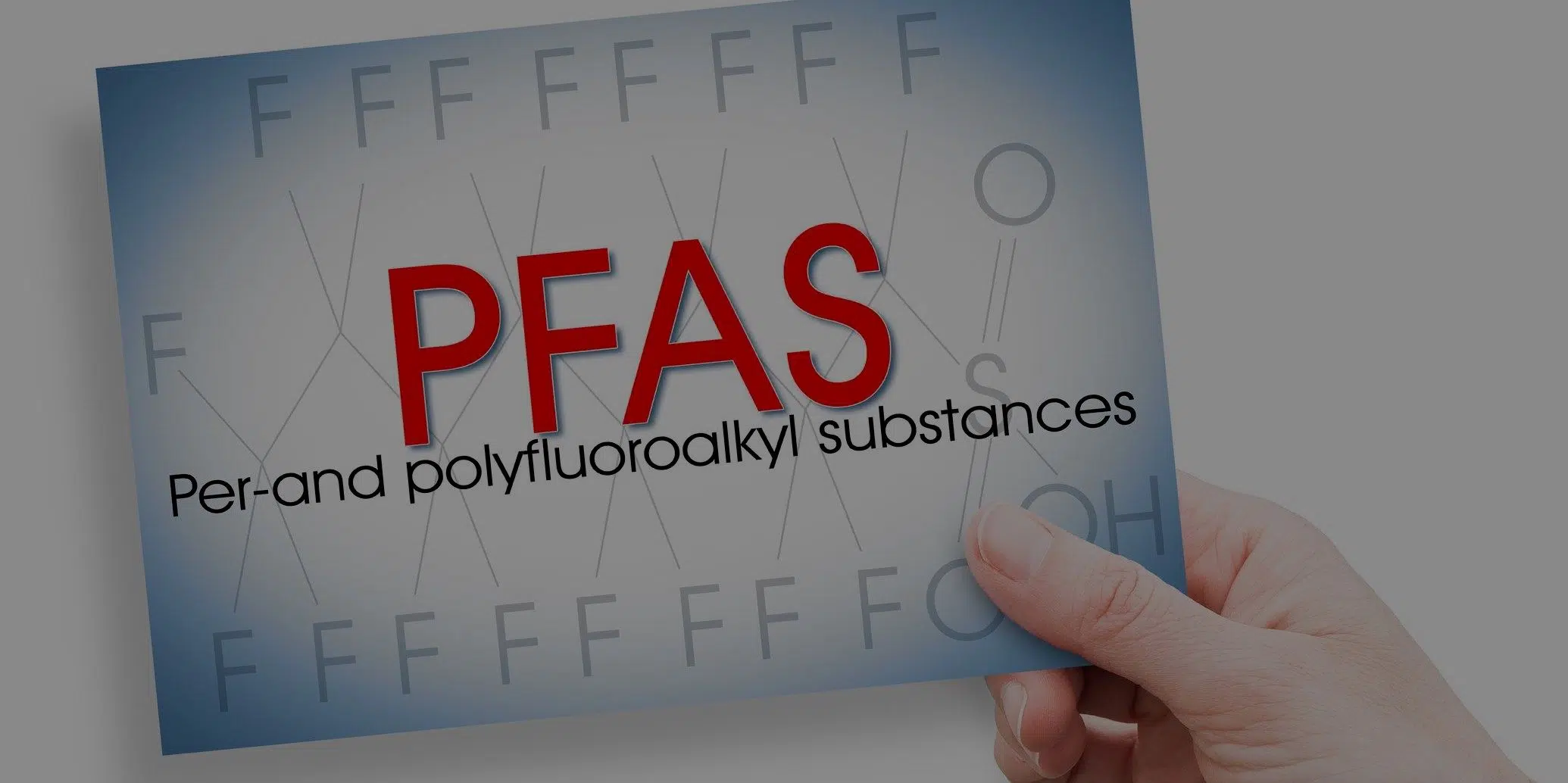

In Ohio, the Marin & Murphy Law Firm has reviewed the data and recent drinking water testing which revealed widespread PFAS water contamination. These 'forever chemicals' pose serious risks to health and the environment as the compounds have links to cancers including kidney cancer and testicular cancer, thyroid disease, ulcerative colitis, and other health hazards. Immediate action is crucial to protect affected community and the Ohio Environmental Protection Agency has provided a PFAS water contamination map for residents to understand their risks. Stringent regulations and monitoring are essential to prevent harm. PFAS bioaccumulation and exposure pathways are significant concerns. Addressing groundwater contamination is imperative. Legal support is available for impacted communities. Advocating for stricter regulations and raising awareness are vital. Ensuring clean water rights and holding polluters accountable is paramount. Take action now to safeguard public health. Learn more about the severe consequences of PFAS contamination and actions the EPA is taking to protect residents. Staying informed and taking decisive steps ensures access to clean, safe water statewide. Additionally, we encourage those that have been harmed by PFAS water contamination to seek out experienced Ohio PFAS cancer lawyers pursue claims against the manufacturers of these harmful forever chemicals.
Ohio PFAS Water Contamination Map
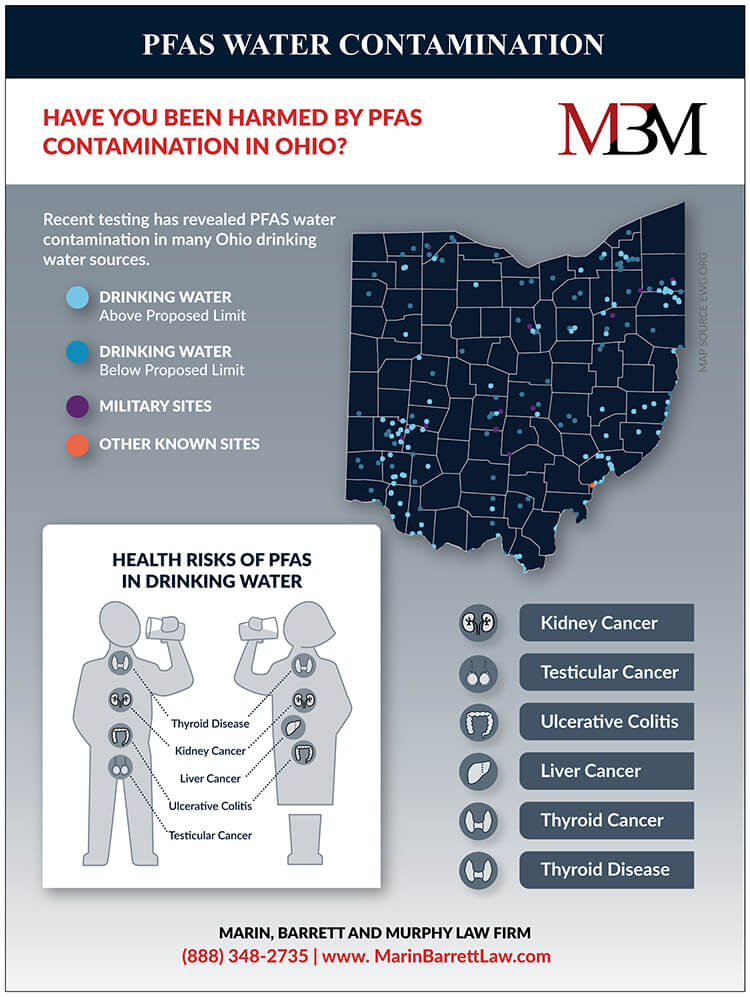
Ohio PFAS Water Contamination Map & Infographic
Recent Developments in Ohio PFAS Lawsuits
Update: November 20th, 2024 Ohio PFAS Lawsuit Filed
A recent lawsuit sheds light on the health risks associated with PFAS contamination in Ohio’s drinking water. Often referred to as “forever chemicals,” PFAS are linked to severe health conditions. Ohio resident Monty H. is pursuing legal action after years of unknowingly consuming water contaminated with these toxic substances. Click to view the official Ohio PFAS lawsuit complaint filed by Monty h. against major chemical manufacturers [PDF of Ohio PFAS Lawsuit].
Monty H.’s Case
- Who: Monty H., a longtime resident of Newark, Ohio
- Health Impact: Diagnosed with kidney cancer in 2013, Monty H. underwent a nephrectomy and continues to face severe health challenges, including the fear of cancer recurrence. His exposure to PFAS has resulted in significant pain, emotional distress, and mounting medical expenses.
- Source of Exposure: Monty H. consumed water from municipal systems, including the City of Tucson, Arizona, which were later found to contain high levels of PFAS chemicals.
PFAS Contamination in Ohio
PFAS contamination is a growing concern across the United States, including in Ohio. Municipal water systems like those in Newark have exposed residents to these dangerous chemicals. PFAS are known for their persistence in the environment and their ability to accumulate in the human body, leading to long-term health risks such as cancer and chronic illnesses.
Defendants and Their Role
The lawsuit names multiple corporations as defendants, including:
- 3M Company
- DuPont de Nemours Inc.
- The Chemours Company
- BASF Corporation
- Tyco Fire Products
The defendants are accused of:
- Manufacturing and distributing PFAS-containing products, such as Aqueous Film-Forming Foam (AFFF), without adequate safety measures.
- Failing to warn consumers and water suppliers about the toxic and persistent nature of these chemicals.
- Allowing PFAS to contaminate public and private water supplies, causing harm to unsuspecting residents.
The Fight for Accountability in Ohio
Monty H.’s lawsuit underscores the growing issue of PFAS contamination in Ohio and beyond. His case brings attention to the significant health risks posed by these chemicals and the responsibility of corporations to prevent contamination. Residents of Ohio who rely on municipal water systems may face similar risks and health challenges.
Take Action: Protect Your Rights
If you or a loved one in Ohio has suffered health issues due to PFAS-contaminated water, now is the time to act.
Information on PFAS Contamination in Drinking Water
Dealing with PFAS in drinking water requires proactive measures to safeguard public health and ensure water safety. PFAS, or per- and polyfluoroalkyl substances, are harmful chemicals that can contaminate drinking water sources.
The Environmental Protection Agency (EPA) has set drinking water standards for some PFAS to protect human health. The fact sheet from the Biden-Harris administration outlines steps to address PFAS contamination and protect communities.
It is crucial to monitor water sources regularly for PFAS levels and take necessary actions to mitigate risks. By staying informed and implementing appropriate measures, we can reduce the presence of PFAS in drinking water and safeguard public health.
There is overwhelming evidence showing how PFAS is cancer-causing, such as kidney cancer, testicular cancer, and ulcerative colitis.
How to Deal with PFAS in your Drinking Water
Regularly monitoring water sources for levels of PFAS contamination is crucial to safeguarding public health and ensuring water safety. Polyfluoroalkyl substances (PFAS) are human-made chemicals linked to various health risks. The Environmental Protection Agency sets guidelines for PFAS in drinking water to protect human health.
Water quality testing for PFAS contamination is essential to identify sources of pollution and prevent exposure to these harmful substances. Large corporations have been significant contributors to PFAS water contamination; holding them accountable is vital to protecting the environment and public health.
Understanding the presence of PFAS in drinking water and taking action to address contamination is essential for maintaining safe drinking water quality and promoting environmental protection.
Per- and Poly-Fluoroalkyl Substances (PFAS)
PFAS, also known as per- and polyfluoroalkyl substances, are human-made chemicals that pose serious health risks. They are a group of perfluoroalkyl and poly-fluoroalkyl substances found in water and affect water quality.
PFAS are persistent chemicals that don’t break down easily in the environment and can accumulate over time. The Environmental Protection Agency has recognized the harmful effects of PFAS and has taken steps to address the contamination issue. The Biden-Harris administration has put forward a fact sheet outlining plans to tackle PFAS contamination.
Monitoring and regulating these substances is crucial to safeguard human health and the environment from the adverse impacts of PFAS exposure.
Health Effects of PFAS Exposure in Ohio
Understanding the health effects of PFAS is crucial for protecting public health and the environment. Polyfluoroalkyl substances, or PFAS, are human-made chemicals that have raised concerns due to their environmental impact and potential health risks.
Toxicology studies have linked exposure to PFAS with various adverse health outcomes, including immune system dysfunction, hormonal disruptions, and certain types of cancer. Regulatory guidelines have been established to limit PFAS levels in drinking water to safeguard public health.
Monitoring and addressing the health effects of PFAS contamination are essential to mitigate the risks posed by these persistent chemicals. By staying informed and proactive, we can work towards minimizing the impact of PFAS on human health and the environment.
PFAS Exposure Linked to Kidney Cancer in Ohio
Recent research indicates a troubling connection between PFAS (per- and polyfluoroalkyl substances) exposure and the development of renal cell carcinoma, or kidney cancer. One particular type of PFAS, known as perfluorooctanoic acid (PFOA), has been strongly linked to kidney cancer. Numerous epidemiological studies have consistently shown that high levels of contact with PFOA can disrupt cellular processes in the kidneys, potentially leading to malignant transformations. This evidence underscores the dangerous association between PFAS and kidney cancer.
CDC Health Alert on PFAS and Kidney Cancer
On January 26th, 2024, the Centers for Disease Control and Prevention (CDC) released a critical update regarding PFAS, with a specific focus on the increased risk of kidney cancer. This announcement is crucial for individuals considering legal action regarding PFAS exposure. The CDC highlighted the need for heightened awareness and medical monitoring for those potentially affected by PFAS, aligning with growing concerns about the link between these chemicals and kidney cancer.
Ohio’s Kidney Cancer Statistics
In Ohio, the issue of PFAS contamination is a significant concern. According to the Ohio Department of Health, there has been an increase in kidney cancer cases, particularly among older individuals. The median age for kidney cancer diagnosis in Ohio is between 65-69 years. Approximately 63% of cases are diagnosed in individuals aged 55-79, and kidney cancer is more common in men, with incidence and mortality rates about twice as high as those for women.
Legal Actions and Pursuing a Claim
If you have been diagnosed with kidney cancer and reside in Ohio, long-term exposure to PFAS chemicals in your drinking water might be a contributing factor. Legal avenues are available for those affected, and all PFAS water contamination lawsuits have been centralized in Federal Court in Charleston, South Carolina. To pursue a claim effectively, it is vital to hire an experienced water contamination injury attorney. They can help determine if your kidney cancer diagnosis is linked to PFAS exposure and guide you through the legal process to seek compensation for your health issues by filing an Ohio PFAS kidney cancer lawsuit.
For further information and legal assistance, contact law firms experienced in environmental contamination cases. They can help assess your situation and guide you through the process of filing a lawsuit to seek compensation for your health issues related to PFAS exposure.
PFAS Exposure Linked to Testicular Cancer in Ohio
Emerging research suggests a troubling connection between PFAS (per- and polyfluoroalkyl substances) exposure and an increased risk of developing testicular cancer. Studies have specifically linked PFAS, often dubbed “forever chemicals” due to their persistence in the environment, to this form of cancer, highlighting a significant public health concern.
Testicular Cancer Statistics in Ohio
According to the Ohio Department of Health, testicular cancer is a notable health concern in the state. In recent years, Ohio has seen an increase in testicular cancer cases. The incidence of testicular cancer is generally higher in younger men, particularly those aged between 15 and 44 years. The diverse population and extensive industrial activities in Ohio may contribute to varying exposure levels and related health outcomes.
Legal Actions and Pursuing a Claim
If you have been diagnosed with testicular cancer and reside in Ohio, long-term exposure to PFAS chemicals in your drinking water might be a contributing factor. Legal avenues are available for those affected, and all PFAS water contamination lawsuits have been centralized in Federal Court in Charleston, South Carolina.
To pursue a claim effectively, it is essential to hire an experienced water contamination injury attorney who can represent you and assist you in filing an Ohio PFAS testicular cancer lawsuit. They can help determine if your diagnosis is linked to PFAS exposure and guide you through the legal process to seek compensation for your health issues.
PFAS Exposure Linked to Ulcerative Colitis in Ohio
Recent studies have suggested a potential association between PFAS (per- and polyfluoroalkyl substances) exposure and an increased risk of developing ulcerative colitis. PFAS, synthetic chemicals found in various household products and industrial applications, persist in the environment and can adversely affect health. While more research is needed to fully understand the connection, these preliminary findings are contextually relevant for those who may be at risk.
Key Points to Consider
Immune System Impact: Scientific studies strongly suggest that exposure to PFAS can disrupt the immune system’s normal functioning, rendering it less effective. This disruption heightens susceptibility to diseases like ulcerative colitis and raises concerns about long-term health complications.
Inflammation Trigger: PFAS chemicals have been identified as instigators of inflammation within the human body. This inflammatory response plays a pivotal role in the development and progression of ulcerative colitis.
Long-term Effects: Prolonged exposure to PFAS may lead to chronic immune disregulation, further exacerbating the risk of developing or worsening ulcerative colitis.
Ulcerative Colitis in Ohio
In Ohio, the incidence of ulcerative colitis has shown an upward trend over the past few decades, mirroring national trends in the United States. The prevalence and incidence rates for ulcerative colitis, a form of inflammatory bowel disease (IBD), have been increasing due to better diagnostic practices, greater awareness, and possibly environmental factors. On average, the incidence rate for ulcerative colitis in the U.S. is about 12 to 20 new cases per 100,000 people each year.
Ohio has experienced significant issues with PFAS contamination, particularly in areas near industrial sites and military bases. For example, areas around Dayton and Columbus have reported elevated levels of PFAS in their water supplies. This widespread contamination raises alarms about the potential health risks to the local population, including the development of conditions like ulcerative colitis.
Legal Actions and Pursuing a Claim
If you have been diagnosed with ulcerative colitis and reside in Ohio, long-term exposure to PFAS chemicals in your drinking water might be a contributing factor. All PFAS water contamination lawsuits have been centralized in Federal Court in Charleston, South Carolina.
To pursue a claim effectively, it is crucial to hire an experienced water contamination injury attorney. They can help determine if your ulcerative colitis diagnosis is linked to PFAS exposure and guide you through the legal process to seek compensation for your health issues by filing an Ohio PFAS ulcerative colitis lawsuit.
PFAS Exposure Linked to Thyroid Cancer in Ohio
Recent studies have demonstrated a significant association between PFAS (per- and polyfluoroalkyl substances) exposure and various thyroid diseases, including hyperthyroidism, hypothyroidism, thyroiditis, Hashimoto’s disease, Graves’ disease, goiter, and thyroid nodules. PFAS chemicals, often termed “forever chemicals” due to their persistence in the environment, have been shown to interfere with thyroid function, leading to a range of health issues.
The Impact of PFAS on Thyroid Health
Hyperthyroidism and Hypothyroidism: PFAS exposure has been linked to both hyperthyroidism and hypothyroidism. Hyperthyroidism occurs when the thyroid gland produces excessive hormones, leading to symptoms such as weight loss, rapid heartbeat, and nervousness. Conversely, hypothyroidism is characterized by insufficient hormone production, causing fatigue, weight gain, and depression. Studies suggest that PFAS can disrupt the endocrine system, leading to these thyroid dysfunctions.
Thyroiditis and Hashimoto’s Disease: Thyroiditis, an inflammation of the thyroid gland, and Hashimoto’s disease, an autoimmune form of thyroiditis, have also been associated with PFAS exposure. These conditions can cause thyroid gland damage, leading to chronic hypothyroidism. The inflammatory and immune responses triggered by PFAS are believed to play a role in the development of these conditions.
Graves’ Disease and Goiter: Graves’ disease, an autoimmune disorder resulting in hyperthyroidism, and goiter, an abnormal enlargement of the thyroid gland, have been linked to PFAS exposure as well. The disruption of normal thyroid function by PFAS can lead to overactivity of the thyroid gland or its enlargement as it attempts to compensate for hormonal imbalances.
Thyroid Nodules: PFAS exposure has been associated with the development of thyroid nodules, which are abnormal growths within the thyroid gland. While most nodules are benign, some can be precancerous or cancerous, highlighting the importance of monitoring thyroid health in individuals exposed to PFAS.
Ohio’s Thyroid Disease Statistics
In Ohio, thyroid diseases are a significant public health concern. According to the Ohio Department of Health, there has been a noticeable increase in thyroid cancer cases over recent years. Ohio’s thyroid cancer incidence rates mirror national trends, with women being more frequently diagnosed than men. In the United States, there were approximately 44,020 new cases of thyroid cancer in 2023, with Ohio contributing a substantial number to this figure. Women are three times more likely to develop thyroid cancer than men, with the average age of diagnosis being around 51 years.
Drinking Water Contamination in Ohio
To address the issue of drinking water contamination, we must prioritize monitoring and regulating PFAS levels to protect public health. PFAS, a large group of human-made chemicals, have been identified in Ohio’s water sources, leading to concerns about PFAS in drinking water.
The presence of PFAS in drinking water poses a significant risk to public health, as these substances have been linked to various adverse health effects. Therefore, implementing stringent regulations and regular monitoring is crucial to ensure that PFAS levels remain within safe limits.
Phase 1 Water Providers in Ohio
During the settlement phase of the PFAS lawsuits brought by drinking water providers, drinking water providers in Ohio were placed into two categories: Phase 1 providers and Phase 2 providers.
Phase 1 providers were defined as active water systems in the United States that have likely been impacted by PFAS water contamination. The Court identified these Ohio water providers as likely impacted by PFAS contamination:
- A AND R RECK MOBILE HOME PARK
- AQUA OHIO – MANSFIELD SYSTEM #02
- AQUA OHIO – MANSFIELD SYSTEM #03
- AQUA OHIO – MANSFIELD SYSTEM #04
- AQUA OHIO – MANSFIELD SYSTEM #09
- AQUA OHIO – STRUTHERS
- ARROWHEAD LAKE MHP
- BARNESVILLE WATER DEPARTMENT
- BEARS MOBILE HOME PARK
- BELLBROOK WATER WORKS
- BELMONT PUBLIC WATER SYSTEM
- BELPRE CITY PWS
- BEREA CITY PWS
- BEVERLY VILLAGE PWS
- BOWLING GREEN CITY
- BRIDGEPORT PUBLIC WATER SYSTEM
- BROWN COUNTY RURAL WATER
- CAESARS VILLAGE MHP PWS
- CALDWELL VILLAGE PWS
- CAMBRIDGE, CITY OF
- CHESTERHILL VILLAGE PWS
- CITY OF NAPOLEON WATER DEPARTMENT
- CLARINGTON VILLAGE PWS
- DAYTON PUBLIC WATER SYSTEM
- FAIRBORN PUBLIC WATER SYSTEM
- FRANKS MOBILE HOME PARK
- GALLIPOLIS PWS
- HOLLY HILL HEALTH CARE RESIDENCE
- INDIAN HILL CITY PWS
- INDIAN LAKE REHABILATION CENTER
- IRONTON PWS
- KINGS ISLAND PWS
- LA RUE VILLAGE
- LAUREL SPRINGS WATER CO.
- LIMA CITY
- LITTLE HOCKING WATER ASSN., INC.
- LOVELAND CITY PWS
- LOWELL VILLAGE PWS
- MARIETTA CITY PWS
- MIDDLEPORT VILLAGE PWS
- MIDDLETOWN CITY PWS
- MILFORD CITY PWS
- MONTGOMERY COUNTY WATER SERVICES 1 PWS
- MONTGOMERY COUNTY WATER SERVICES 2 PWS
- MORROW VILLAGE PUBLIC WATER SYSTEM
- MUSKINGUM COUNTY WATER – SE
- NEW CARLISLE CITY PWS
- NEW MADISON VILLAGE PWS
- NEW RICHMOND VILLAGE PUBLIC WATER SYSTEM
- NEW WATERFORD VILLAGE PWS
- NEWTON FALLS CITY
- OTTERBEIN-LEBANON RETREAT CENTER
- OXFORD CITY PWS
- PHILLIPSBURG VILLAGE PWS
- PORTSMOUTH PUBLIC WATER SYSTEM
- POWHATAN POINT WATER SYSTEM
- RACINE VILLAGE PWS
- SHADYSIDE PUBLIC WATER SYSTEM
- SOUTH POINT VILLAGE
- ST. CLAIRSVILLE, CITY OF PWS
- STOCKPORT VILLAGE PWS
- STRASBURG VILLAGE PWS
- SYRACUSE VILLAGE PWS
- TRI-COUNTY RURAL W AND S DISTRICT
- TUPPERS PLAINS CHESTER WATER DISTRICT
- URBANA CITY PWS
- WARREN CO. RICHARD RENNEKER PWS
- WARREN COMM W AND S ASSN 2
- WATERFALL ESTATES
- WAUSEON CITY
- WESTERN WATER COMPANY
- WESTERVILLE CITY PWS
- WILMINGTON CITY PWS
- WOODSFIELD VILLAGE PWS
- YORKVILLE VILLAGE PWS
Phase 2 Water Providers in Ohio
Phase 2 providers were defined as active water systems in the United States that could been impacted by PFAS water contamination. These providers, at the time of the settlement, may not have had ever tested for PFAS or have had not detected PFAS in their drinking water. The Court identified these Ohio Phase 2 water providers, which may impacted by PFAS contamination in the future, as the following:
- ADA VILLAGE
- ADAMS COUNTY REGIONAL WD PWS
- AKRON CITY PWS
- ALLIANCE CITY PWS
- AMHERST CITY PWS
- ANDOVER-CAMPLANDS WATER
- AQUA OHIO – ASHTABULA
- AQUA OHIO – BLACKLICK
- AQUA OHIO – CAMPBELL
- AQUA OHIO – HUBER RIDGE PWS
- AQUA OHIO – LAKE DARBY
- AQUA OHIO – LAWRENCE COUNTY
- AQUA OHIO – MARION
- AQUA OHIO – MASSILLON PWS
- AQUA OHIO – MASURY
- AQUA OHIO – MENTOR
- AQUA OHIO – TIFFIN
- ARCHBOLD VILLAGE
- ASHLAND CITY
- ASHTABULA COUNTY WATER SYSTEM
- ASHVILLE VILLAGE PWS
- ATHENS PWS
- AURORA CITY – CLEVELAND PWS
- AVON CITY PWS
- AVON LAKE CITY PWS
- BARBERTON CITY
- BEDFORD CITY PWS
- BELLAIRE PUBLIC WATER SYSTEM
- BELLEFONTAINE CITY PWS
- BELLEVUE CITY
- BELMONT CO. SANITARY DISTRICT 3 PWS
- BETHEL VILLAGE PWS
- BEXLEY CITY PWS
- BLANCHESTER VILLAGE PWS
- BLUFFTON VILLAGE
- BROOKVILLE MUNICIPALITY PWS
- BRYAN CITY
- BUCKEYE WATER DISTRICT – OHIO RIVER
- BUCYRUS CITY
- BUTLER CO. WATER DISTRICT 2 PWS
- BYESVILLE
- CADIZ VILLAGE PWS
- CANAL FULTON CITY PWS
- CANAL WINCHESTER CITY PWS
- CANFIELD CITY PWS
- CANTON PUBLIC WATER SYSTEM
- CAREY VILLAGE
- CEDARVILLE UNIVERSITY
- CELINA CITY
- CHAGRIN FALLS VILLAGE PWS
- CHARDON CITY PWS
- CHILLICOTHE CITY PWS
- CINCINNATI PUBLIC WATER SYSTEM
- CIRCLEVILLE CITY PWS
- CITY OF HEATH PWS
- CLARK COUNTY GREEN MEADOWS 2 PWS
- CLARK COUNTY NORTHRIDGE PWS
- CLARK COUNTY PARK LAYNE PWS
- CLERMONT PUBLIC WATER SYSTEM
- CLEVELAND PUBLIC WATER SYSTEM
- CLEVES VILLAGE PWS
- CLYDE CITY
- COLDWATER VILLAGE
- COLUMBIANA CITY PWS
- COLUMBUS PUBLIC WATER SYSTEM
- COMMERCIAL POINT VILLAGE
- CONNEAUT
- CORTLAND CITY PWS
- COSHOCTON PWS
- CRESTLINE VILLAGE
- CUYAHOGA FALLS CITY PWS
- DEFIANCE CITY
- DELAWARE CITY PWS
- DEL-CO WATER COMPANY, INC.
- DELPHOS CITY
- DELTA VILLAGE
- DOVER CITY PWS
- EARNHART HILL WATER DISTRICT PWS
- EAST LIVERPOOL CITY
- EAST PALESTINE VILLAGE PWS
- EATON PUBLIC WATER SYSTEM
- ELIDA VILLAGE
- ELYRIA WATER DEPARTMENT
- ENGLEWOOD CITY PWS
- ERIE CO MARGARETTA DISTRICT
- ERIE CO PERKINS DISTRICT
- FAIRFIELD CITY PWS
- FAIRFIELD COUNTY UTILITIES PWS
- FELICITY VILLAGE PWS
- FINDLAY CITY
- FOSTORIA CITY
- FRANKLIN PUBLIC WATER SYSTEM
- FREMONT CITY
- GAHANNA CITY PWS
- GALION CITY
- GENEVA CITY PWS
- GEORGETOWN VILLAGE PWS
- GERMANTOWN CITY PWS
- GIRARD CITY PWS
- GRANVILLE, VILLAGE OF
- GREENE CO.-NORTHWEST REG WATER
- GREENE COUNTY EASTERN REGIONAL PWS
- GREENFIELD VILLAGE PWS
- GREENVILLE CITY PWS
- GUERNSEY CO. WATER DEPT.
- HAMILTON PUBLIC WATER SYSTEM
- HARRISON CITY PWS
- HDMA – BENTON RD PWS
- HECLA WATER ASSOCIATION-PLANT PWS
- HICKSVILLE VILLAGE
- HIGHLAND COUNTY WATER COMPANY, INC.
- HILLSBORO CITY
- HOLLYWOOD GAMING @ MVRC
- HONDA DMA ANNA ENGINE PLANT
- HONDA DMA EAST LIBERTY WTP
- HUBBARD CITY PWS
- HUBER HEIGHTS PUBLIC WATER SYSTEM
- HUDSON CITY PWS
- HURON CITY
- I-71 AND SR-35 PWS
- JACKSON CO. WATER COMPANY-WTP
- JACKSON, CITY OF
- JACKSON/MILTON METRO WATER DISTRICT PWS
- JEFFERSON CO W AND S DISTRICT – M
- JEFFERSON CO W AND S DISTRICT- A
- JEFFERSON REGIONAL WATER AUTHORITY
- JEFFERSON WATER AND SEWER DISTRICT PWS
- JOHNSTOWN VILLAGE PWS
- KENT CITY PWS
- KENTON CITY
- KNOX COUNTY WATER AND WASTEWATER PWS
- LAKE COUNTY EAST WATER SUBDISTRICT
- LAKE COUNTY WEST WATER SUBDISTRICT
- LAKEWOOD CITY PWS
- LANCASTER CITY PWS
- LEADING CREEK CONSERVANCY DISTRICT
- LE-AX REGIONAL WATER DISTRICT PWS
- LEBANON CITY
- LEXINGTON VILLAGE
- LOCKLAND VILLAGE PWS
- LOGAN, CITY OF
- LONDON CITY PWS
- LORAIN CITY PWS
- LORDSTOWN VILLAGE PWS
- LOUISVILLE CITY PWS
- MADISON COUNTY SSWD WATER DISTRICT 1
- MANSFIELD CITY
- MARTINS FERRY PUBLIC WATER SYSTEM
- MARYSVILLE CITY PWS
- MAUMEE CITY
- MAYSVILLE REGIONAL WATER
- MCDONALD VILLAGE PWS
- MEDINA CITY PWS
- MEDINA CO/NORTHWEST PWS
- MEDINA CO/SOUTHERN WATER DIST PWS
- MIAMI CO-CAMP TROY PWS
- MIAMISBURG CITY PWS
- MINERVA VILLAGE PWS
- MONROE CITY PWS
- MONROE WATER SYSTEMS
- MONTPELIER VILLAGE
- MOUNT ORAB VILLAGE PWS
- MOUNT VERNON CITY PWS
- MT GILEAD VILLAGE PWS
- MUNROE FALLS CITY PWS
- NAWA
- NELSONVILLE PWS
- NEW BREMEN VILLAGE
- NEW LEBANON VILLAGE PWS
- NEW LEXINGTON
- NEW PHILADELPHIA CITY PWS
- NEWARK CITY PWS
- NEWCOMERSTOWN VILLAGE PWS
- NEWPORT WATER DISTRICT PUBLIC WATER SYSTEM
- NILES CITY PWS
- NORTH BALTIMORE VILLAGE
- NORTH CANTON CITY PWS
- NORTH RIDGEVILLE CITY PWS
- NORTHERN OHIO RURAL WATER
- NORTHERN OHIO RURAL WATER – NW DISTRICT
- NORTHERN OHIO RURAL WATER-SOUTH DISTRICT
- NORTHWEST REGIONAL WATER DISTRICT
- NORTHWESTERN W AND SD – TOLEDO SVC
- NORTHWESTERN W AND SD – WTLN 200 OREGON
- NORTHWESTERN W AND SD- PORTAGE
- NORTHWESTERN W AND SD- MIDDLETON TWP
- NORWALK CITY
- NORWOOD CITY PWS
- OAK HARBOR VILLAGE
- OAKWOOD CITY PWS
- OBERLIN WATER DEPARTMENT
- ONTARIO CITY
- OREGON CITY
- ORRVILLE CITY PWS
- OTTAWA COUNTY REGIONAL WATER DISTRICT
- OTTAWA VILLAGE
- PAINESVILLE CITY PWS
- PATASKALA CITY
- PAULDING VILLAGE
- PERRYSBURG CITY
- PICKERINGTON CITY PWS
- PIKE WATER, INC.-PLANT PWS
- PIQUA CITY PWS
- PLAIN CITY VILLAGE PWS
- PORT CLINTON CITY
- PORTAGE COUNTY WATER RESOURCES
- RAVENNA CITY PWS
- READING CITY PWS
- REYNOLDSBURG CITY PWS
- RITTMAN CITY PWS
- ROSS COUNTY WATER CO INC PWS
- RURAL LORAIN CO. WATER A
- SALEM CITY
- SANDUSKY CITY
- SANITARY DISTRICT #4
- SCIOTO CO. REGIONAL WATER DISTRICT #1
- SCIOTO WATER, INC.-ROSE HILL
- SCIOTO WATER, INC.-SUGAR CAMP
- SEBRING VILLAGE PWS
- SHEFFIELD LAKE CITY PWS
- SHEFFIELD VILLAGE PWS
- SHELBY CITY
- SIDNEY CITY PWS
- SOUTH LEBANON VILLAGE PWS
- SOUTHERN PERRY CO-CONGO
- SOUTHWEST LICKING COMMUNITY WATER
- SOUTHWEST REGIONAL WATER DISTRICT
- SPRINGBORO PWS
- SPRINGFIELD CITY PWS
- ST MARYS CITY
- STARK COUNTY WATER DISTRICT
- STEUBENVILLE, CITY OF
- STOW PUBLIC WATER SYSTEM
- STREETSBORO CITY PWS
- SUNDAY CREEK VALLEY WATER PWS
- SWANTON VILLAGE
- SYLVANIA CITY
- TALLMADGE CITY PWS
- TATE-MONROE WATER ASSOCIATION PWS
- TCMSD-WILKSHIRE HILLS PWS
- TOLEDO CITY OF
- TORONTO PWS
- TRENTON CITY PWS
- TRIHEALTH GOOD SAMARITAN HOSPITAL
- TROTWOOD CITY PWS
- TROY CITY PWS
- TRUMBULL CO. – BAZETTA/CHAMPION
- TRUMBULL COUNTY HOWLAND TOWNSHIP PUBLIC WATER SYSTEM
- TRUMBULL CO.-SOUTHEAST PWS
- TWIN CITY WATER AND SEWER DISTRICT PWS
- UH – CLEVELAND MEDICAL CENTER
- UNION CITY PWS
- UPPER SANDUSKY CITY
- VAN WERT CITY
- VERMILION CITY
- WADSWORTH CITY PWS
- WAPAKONETA CITY
- WARREN CITY PWS
- WARREN CO. FRANKLIN AREA PWS
- WARREN CO. SOCIALVILLE PWS
- WASHINGTON COURT HOUSE PWS
- WATERVILLE CITY
- WAVERLY CITY PWS
- WAYNESVILLE VILLAGE PWS
- WELLINGTON VILLAGE PWS
- WELLSTON CITY PWS
- WEST CARROLLTON CITY PWS
- WEST JEFFERSON VILLAGE PWS
- WEST MILTON VILLAGE PWS
- WHITEHOUSE VILLAGE
- WILLARD CITY
- WINTERSVILLE VILLAGE PWS
- WOOSTER CITY PUBLIC WATER SYSTEM
- WRIGHT-PATTERSON AIR FORCE BASE
- WRIGHT STATE UNIVERSITY
- WYOMING CITY PWS
- XENIA CITY PWS
- YELLOW SPRINGS VILLAGE PWS
- YOUNGSTOWN CITY PUBLIC WATER SYSTEM
- ZANESVILLE PWS
Frequently Asked Questions
What Steps Can Residents Take to Protect Themselves and Their Families From the Health Effects of PFAS Exposure in Drinking Water?
We can safeguard ourselves from PFAS exposure in drinking water by using water filters certified to remove PFAS, avoiding products containing PFAS, and supporting regulations to limit PFAS discharges into water sources.
How Are Local Authorities and Environmental Agencies Collaborating to Monitor and Regulate PFAS Levels in Drinking Water Sources in Ohio?
We monitor and regulate PFAS levels in drinking water sources in Ohio through collaboration between local authorities and environmental agencies. Our efforts ensure safe drinking water for all, emphasizing cooperation and vigilance in safeguarding public health.
What Are Some Potential Long-Term Consequences of PFAS Contamination on Ohio Public Health and the Environment?
Potential long-term consequences of PFAS contamination in Ohio may include adverse effects on public health, such as increased cancer risk and developmental issues, as well as environmental harm like ecosystem disruption and groundwater contamination.
Marin & Murphy Law Firm
Together, we’ll continue to fight for clean water and justice for all those affected by PFAS water contamination in Ohio. Our commitment to holding polluters accountable and advocating for the health and well-being of our communities is unwavering.
Working together can bring about positive change and ensure a safer, healthier future for all Ohio residents. Join us in our mission to protect our water sources and seek justice for those impacted by PFAS contamination.
About the Author: PFAS Lawyer Matthew Marin
 Attorney Matthew Marin is a seasoned legal professional with a deep commitment to environmental justice and client advocacy, particularly in cases involving water contamination. A graduate of Roger Williams University School of Law, Matthew has been practicing law since 2008, focusing on environmental law and personal injury cases. With over 15 years of experience, he has honed his skills in litigating complex cases related to water quality and safety, earning a reputation for meticulous case preparation and tenacious representation. Matthew has successfully handled numerous cases involving PFAS in water supplies, securing favorable outcomes for his clients and contributing to the remediation of drinking water. His approach is characterized by thorough research, strategic planning, and a relentless pursuit of justice. Known for his compassionate approach, Matthew takes the time to understand each client’s unique situation, ensuring they feel heard and supported throughout the legal process. As member of the American Association for Justice and the National Trial lawyers, Matthew’s extensive knowledge and experience inform his work on the legal aspects of the AFFF & PFAS MDL litigation, water contamination, and environmental protection.
Disclaimer
The information provided is for informational purposes only and does not constitute legal advice. For personalized legal assistance, contact our attorneys.
Conflict-of-Interest Disclosure
We believe in transparency. As a law firm, we earn fees from successful PFAS claims, but our priority is your health and justice. We’re dedicated to fighting for your rights and pursuing the compensation available under the law.
Marin & Murphy Law Firm is not currently accepting new PFAS claims. This page is general information about water quality and public health, not legal advice, and reading it or contacting the firm does not create an attorney-client relationship. The firm is licensed in South Carolina, Rhode Island, Massachusetts and Connecticut; its PFAS matters are handled with co-counsel who maintain local counsel arrangements nationwide. Matthew T. Marin, SC Bar #102771, 997 Morrison Drive, Suite 200, Charleston, SC 29403.
Other litigation affecting Ohio residents: Marin & Murphy Law Firm is not currently accepting new PFAS claims, but is actively accepting cases in the Ohio spinal cord stimulator lawsuit and the Ohio Ozempic lawsuit.